
 Contact
 Recruitment
Entry
Recruitment
Entry
Program Overview
Duration: 2-day intensive program
Participants: Students from Chiba Nikkatsu Technical College
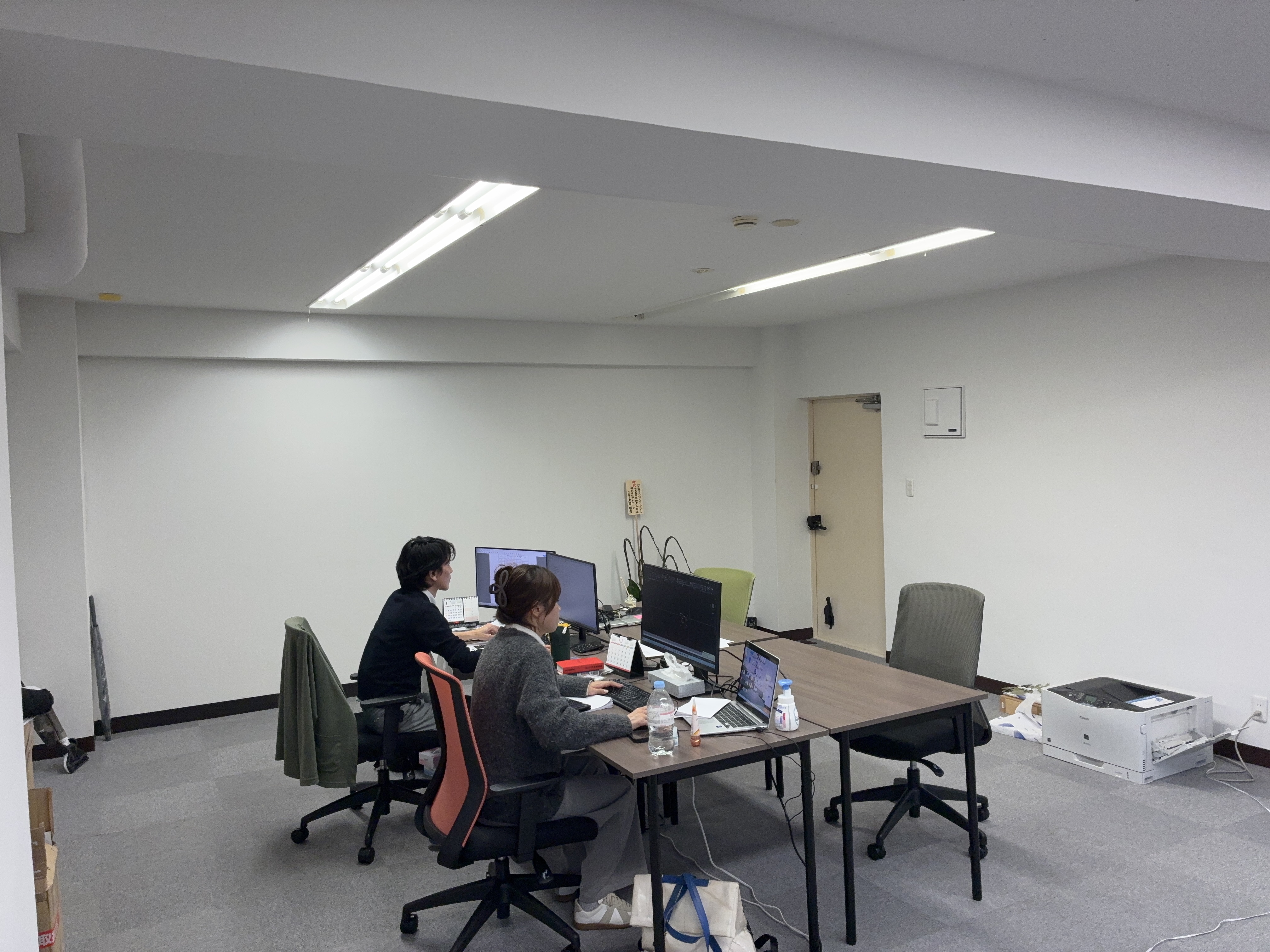
Location: Commonwealth Engineers Co., Ltd. Chiba Office
Theme: “Opening the Door to Plant Design – Hands-on CAD Work Experience Workshop”
School CAD vs. Professional CAD: Experiencing the “Decisive Difference” in Two Days
“What’s the difference between CAD operations learned in school and CAD used in actual work?”
To experience the answer firsthand, students from Chiba Nikkatsu Technical College participated in a “practical internship” at our Chiba Office.
The most distinctive feature of this internship was “real CAD work experience with a practical approach”.
Using actual drawings that professional designers work with and “revision instructions (red marks)” that occur on-site as teaching materials—something rarely encountered in typical job shadowing experiences.
These two days became an opportunity for engineering-minded students to seriously consider their future careers.
【Day 1】Where Professionals Look: “Finding Errors in Drawings”
Don’t Start Drawing Right Away. Begin with “Reading”
The first day started with a lecture on the fundamentals of plant design.
Unlike the typical residential and building drawings studied in architecture programs, the challenge this time was a massive “steel structure drawing” unique to plant facilities.
What surprised participants first was that we didn’t start drawing lines in CAD immediately.
In actual design work, what matters most before drafting skills is the “ability to correctly read drawings” and the “ability to check consistency.”
Practical Workshop: Drawing Consistency Check (Red Marking)
Participants tackled a “drawing error hunt (red mark check)” comparing floor plans and frame drawings to find inconsistencies.
- “There are inconsistencies between the floor plan and frame drawing regarding member alignment.”
- “There are inconsistencies in dimensional alignment.”
Finding contradictions in drawings that appear correct at first glance requires intense concentration.
The instructor’s words—”This isn’t just about drawing lines; it tests your ‘ability to notice’ as a designer”—made the students’ eyes shine with determination.
They then used CAD to perform corrections, experiencing the practical cycle of “understanding (reading) and fixing (drafting).”
【Day 2】Difficulty Level S? Challenge: “Steel Detail Drawing”
Learning the Mechanism of Detail Drawings from General Drawings: A High-Level Challenge
Day 2 raised the difficulty level even further.
Participants tackled a challenge to learn the process of creating steel detail drawings by extracting information from general drawings (overall drawings).
Detail drawings are precise drawings showing how steel members connect and where bolts are positioned.
“How can we make construction easier?” “Is the strength sufficient?” These are points that even junior engineers struggle with in actual work.
One-on-One Guidance from Instructor Staff
Staff members serving as instructors provided one-on-one support, teaching CAD commands and techniques used in actual work, as well as drawing representation rules.
Rather than just explaining operations, they explained the design intent behind each element—”why this line is necessary.”
Feedback from Instructor:
“Understanding the mechanism of detail drawings must have been challenging, but this ‘struggle to think about how things fit together’ is the essence and appeal of design. Your persistent attitude of not giving up until the end was truly excellent.”
The Stage is “Chiba Office”: A Place to Work While Staying Relaxed
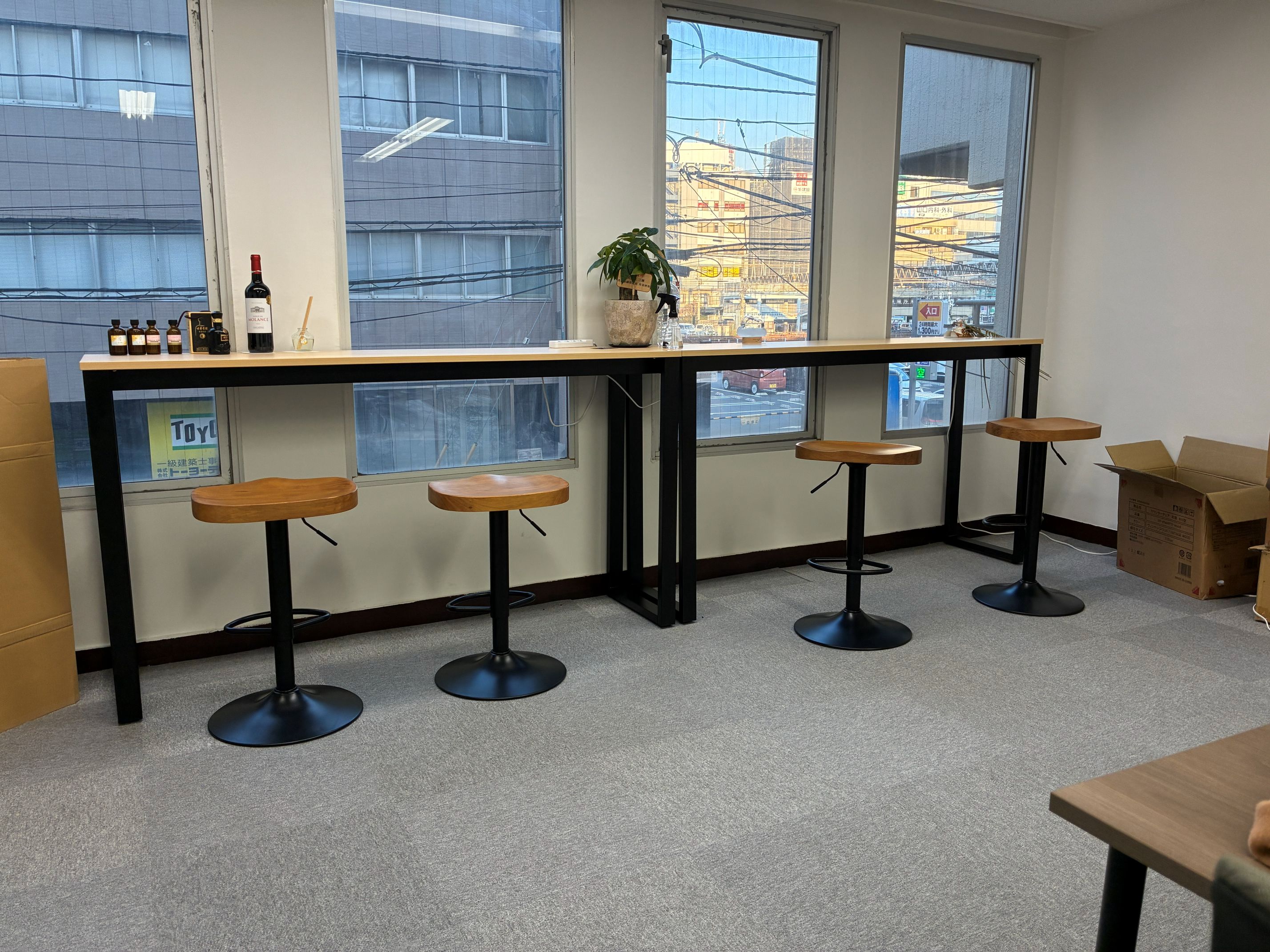
A Base for Immersing in Design Work
The Chiba Office, where this program was held, is one of the key bases for our design operations.
Not only is it easily accessible for students in the Chiba area, but its calm environment allows for focused concentration on design work.
From Veterans to Young Engineers: A Real Workplace Environment
An experienced office manager and young engineers eager to grow work together here.
Because it’s a small team, daily work involves close communication, allowing for careful support in both technical and operational aspects.
It’s a workplace where individual growth is valued, challenges are welcomed, and skills can be steadily developed.
- Question-Friendly Atmosphere: A flat relationship where “you can ask immediately if you don’t understand something.”
- Professional Examples: You can see senior colleagues seriously working on drawings right next to you.
Being able to feel the “company atmosphere” and “how employees work” firsthand is another advantage unique to office-based internships.
Participant Voices (from Survey)
Students who actually participated shared positive feedback, expressing that they felt “the joy of learning new things” and “a sense of growth” through practical work.
“I learned a lot through the internship and it was a valuable experience. All the staff members were kind and supportive, which made me feel at ease while working. I want to use this experience to grow further in the future. Thank you very much.”
“I realized the importance of learning new things. I’m continuing to practice every day to be able to read drawings and numbers, using this experience as a foundation.”
To Future Engineers
Commonwealth Engineers will continue to plan intensive internships where participants can join as “members of the engineering team,” not just as observers.
- Want to see the professional world sooner
- Want to know the skills that work in the design field
Ambitious students, why not bring that passion to the Chiba Office next time?
【Inquiries & Applications】
Commonwealth Engineers Co., Ltd.
Career Information Page | Contact Us