 Contact
 Recruitment
Entry
Recruitment
Entry
Program Overview
| Dates | Tuesday, August 18 – Thursday, August 20, 2026 (three days) |
|---|---|
| Participants | Two students from Isogo Technical High School |
| Content | Fundamentals of plant design, a tour of a waste treatment plant, and how design documents are produced |
From August 18 to 20, 2026, we hosted a three-day internship for two students from Isogo Technical High School. This was our second year of welcoming students from the school.
The aim was to give high school students who are considering a future in structural design — in architecture or civil engineering — a more concrete understanding of the work, through a site tour and hands-on exposure to design tasks.
Day 1: The Fundamentals of Plant Design
The first day began with the bigger picture: what the civil and architectural design of plant facilities actually involves.
Power stations and chemical works are not facilities most people see in daily life. We started with an outline of what a plant is, and then looked at the role civil and architectural design plays within it.
In the afternoon we turned to how to read specifications and drawings, which is where design begins. Design does not start with drawing lines; it starts with reading what is being asked for.
We also set aside time to explain what 3D models and calculation models are and how they are used in structural design.
Day 2: A Tour of a Waste Treatment Plant
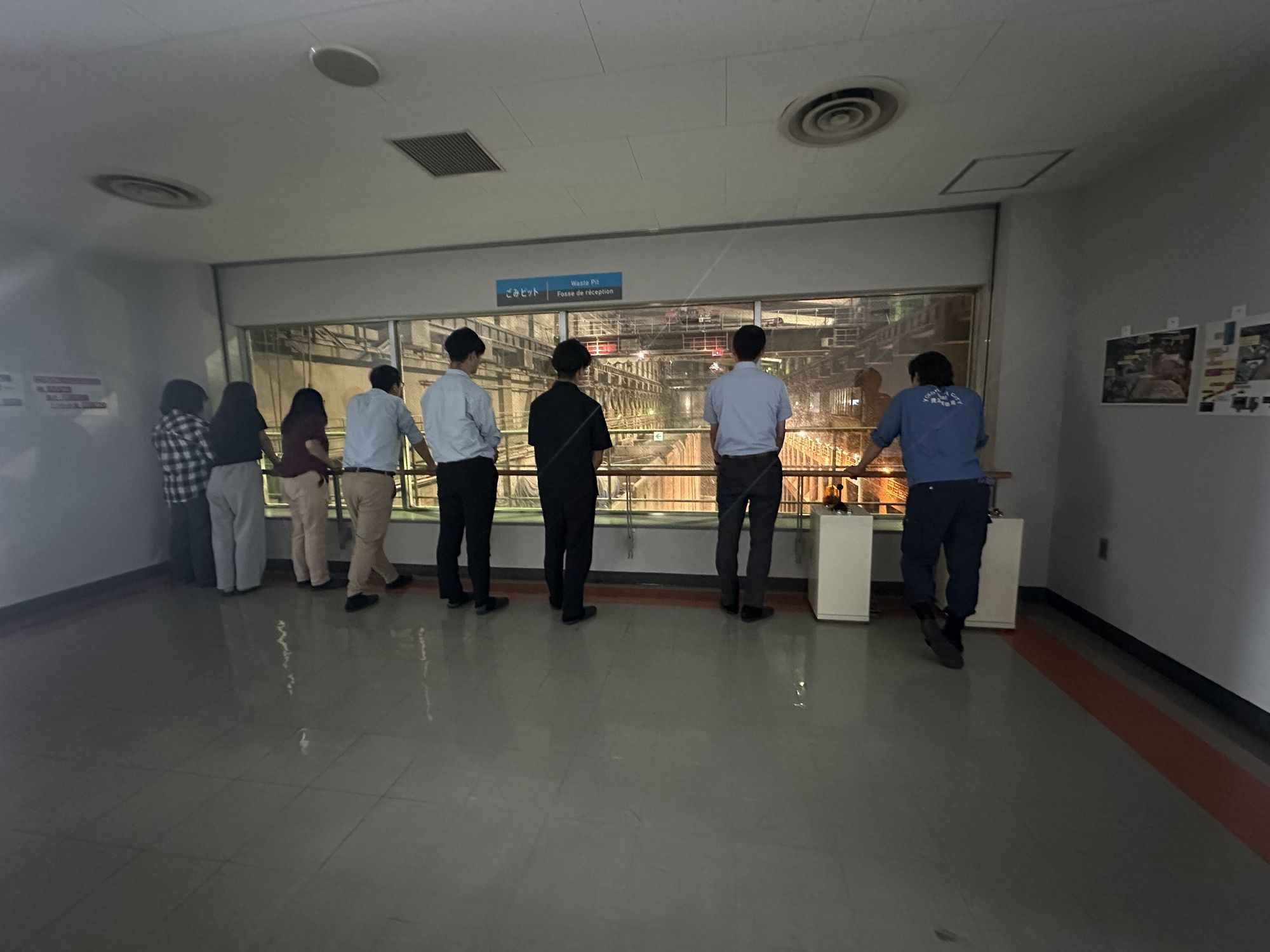
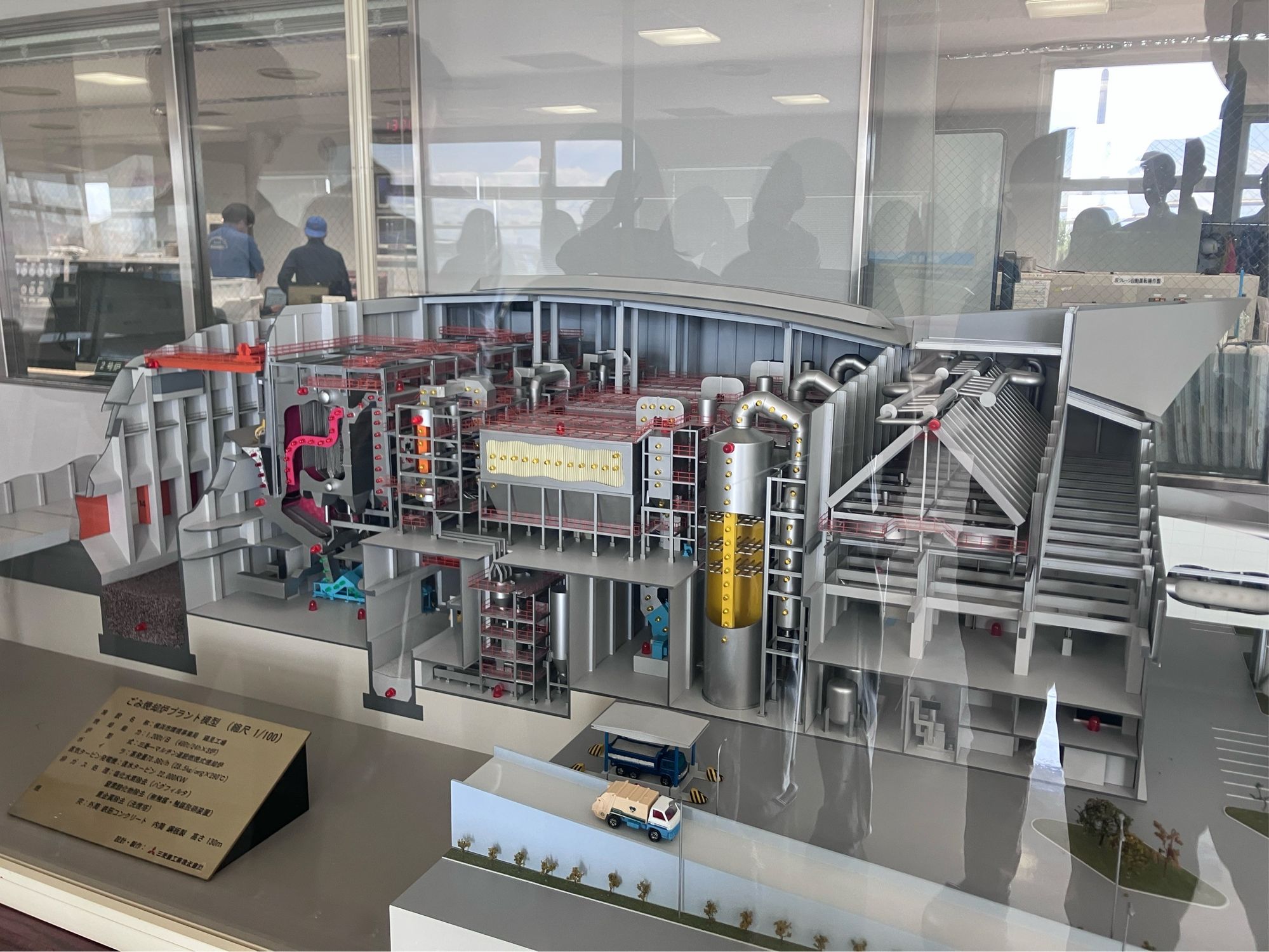
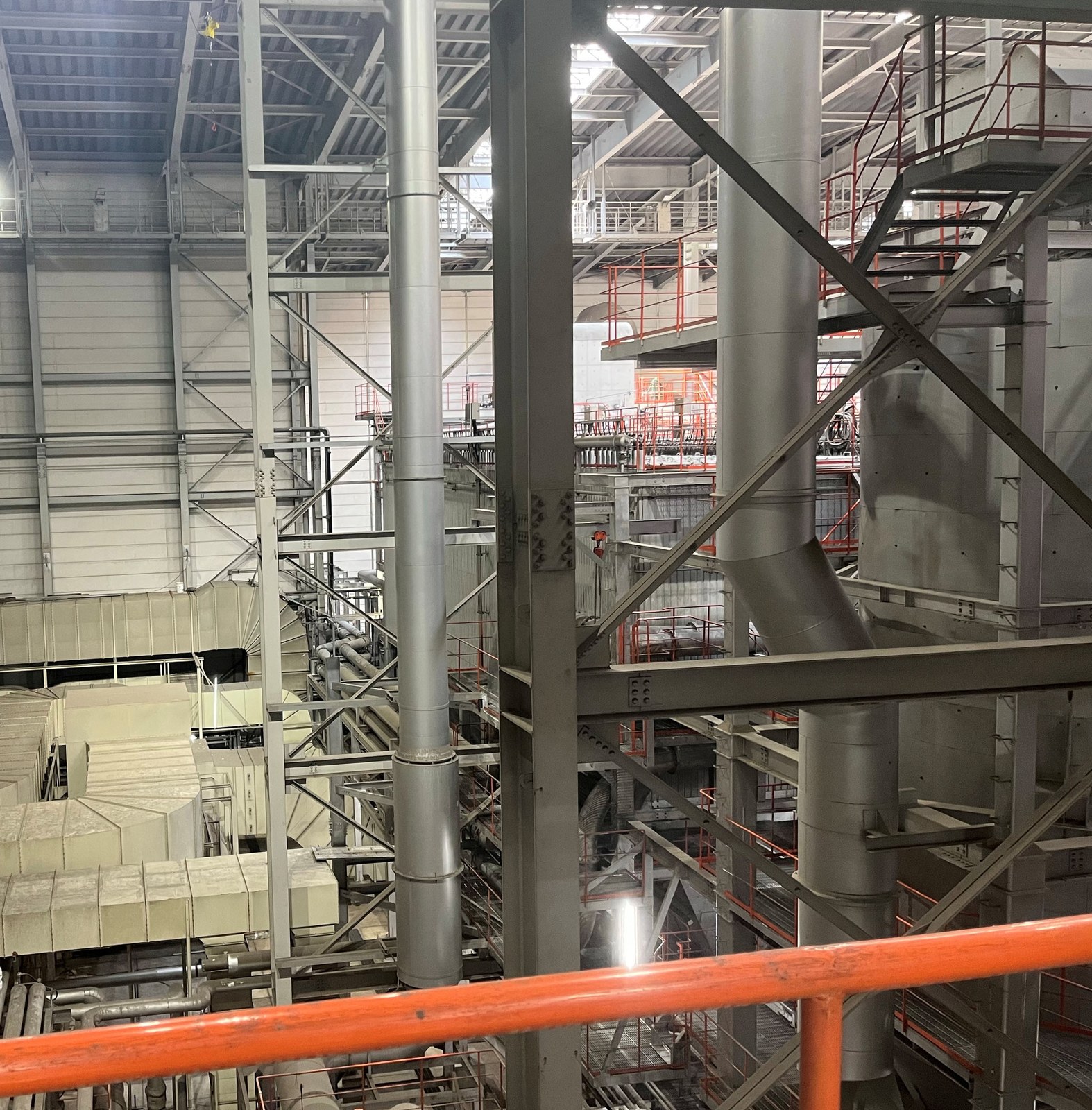
On the second day the students toured a waste treatment plant that also generates electricity: the Tsurumi Plant, Environmental Works Bureau, City of Yokohama.
The plant processes up to 1,200 tonnes of waste per day and uses the heat to generate up to 22,000 kW of electricity. It handles waste disposal and power generation at the same time.
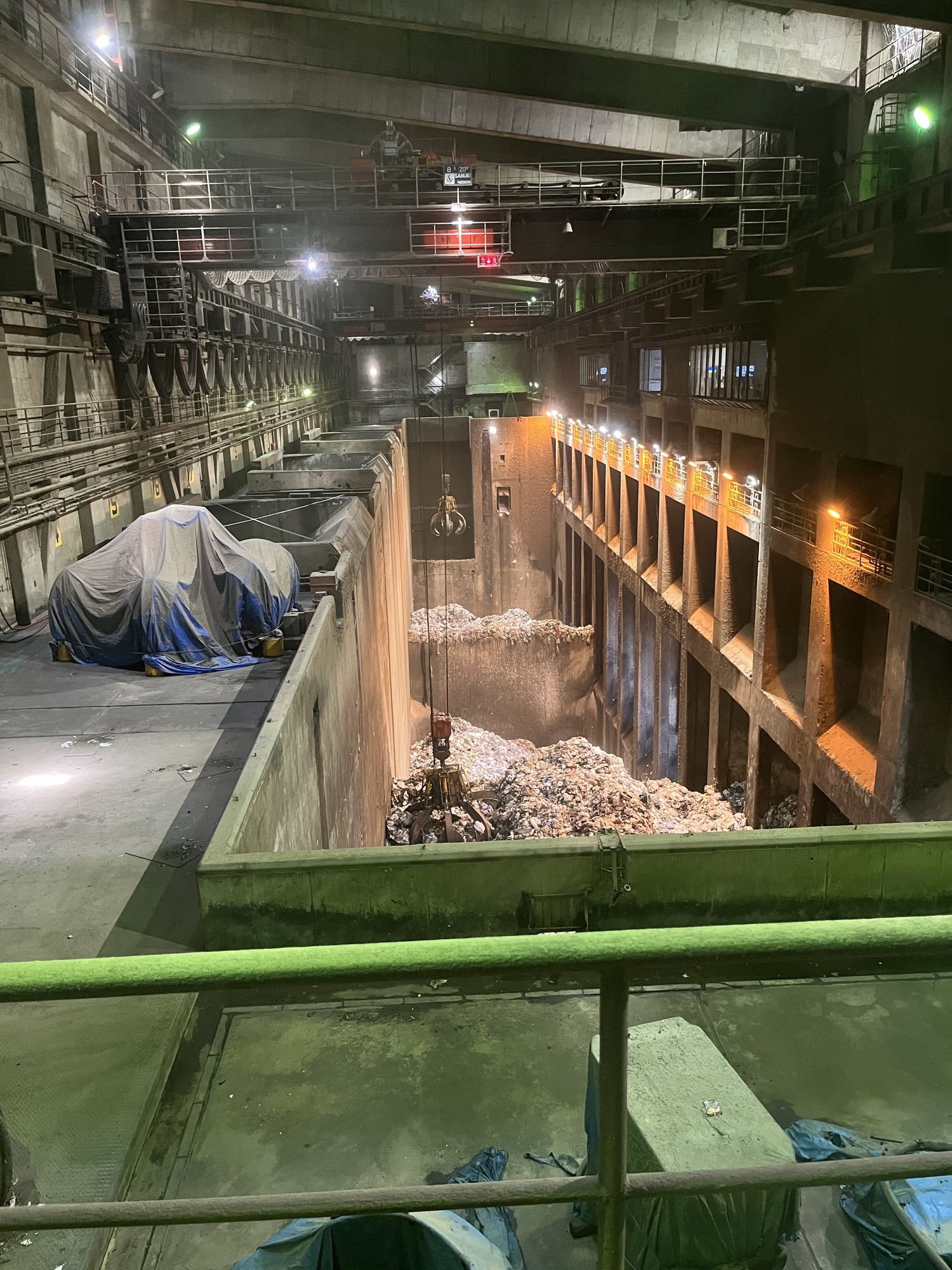
Last year’s internship included a tour of a thermal power station. This year the students saw a different type of facility, and were able to see first-hand how the requirements placed on a building and its structure change with the role the facility plays.
Not Just Looking
After the tour the students returned to the office to organise and think through what they had seen. They then presented their findings, and the engineers supervising them gave feedback.
Putting what you have seen into your own words tends to reveal which parts you have understood and which you have not. The time was limited, but it was set aside so that the tour would be carried away as something learned.
Day 3: How Design Documents Come Together
The final day opened with time spent with engineers from overseas. Colleagues from a number of countries work here, and there are occasions when English is used. We hoped that talking with them directly would give the students a sense of how far design work reaches.
After that, building on the ideas behind the calculation models covered earlier, the students learned the sequence in which design documents are produced.
The three days closed with a review session and the presentation of certificates of completion.
In the Students’ Own Words
The following comments are taken from the questionnaire completed on the final day. (Translated from the original Japanese.)
This was the first time I had heard about plants, and before the internship started I did not really understand them. The explanation on the first day made it much clearer, and I felt I had learned a lot. I had also thought construction meant only civil engineering or architecture, so it was very good to find that there are other options as well. And when we visited the Resources and Waste Recycling Bureau, I learned how to take notes and that what we presented could be written up in Word — it made me happy to realise that what I have studied at school is not wasted. Thank you for looking after us for three days.
I was a little nervous at first, but everyone was very kind and I enjoyed the internship. The explanations were easy to follow and interesting. The one that stayed with me was the explanation of where design begins, which was compared to making curry. Learning about civil and architectural design has widened my view of what I might do after school. Thank you for the three days.
Our Industry-Academia Activities
We regularly offer guest lectures, workplace experience, and internships for high school, technical college, and university students.
| Date | Institution | Duration |
|---|---|---|
| July 2025 | Isogo Technical High School | 3 days |
| December 2025 | Chiba Nikkatsu Technical College | 2 days |
| February 2026 | Nippon Institute of Technology | 3 days |
| June–August 2026 | Monotsukuri Institute of Technologists, Dept. of Building Technologists | approx. 2 months |
| August 2026 | Isogo Technical High School | 3 days |
For Educators
If you are involved with an architecture or civil engineering program and are considering a guest lecture or an internship, please feel free to get in touch. We are happy to adjust the length and content to suit your school’s circumstances.
If You Are Interested in Design Work
We work on the civil and architectural design of power plants, petrochemical plants, cement plants, LNG plants, and steelworks. Alongside hosting students, we recruit both new graduates and experienced engineers on an ongoing basis.
Careers at Commonwealth Engineers
View careersFrom Commonwealth Engineers Co., Ltd.
Related Links
- Careers — details of our current openings
- Application form — apply here
- Contact — for guest lectures and internship enquiries